Recurrent abdominal pain and changing bowel habits need a structured assessment, not an automatic scan or an assumption that the cause is IBS. By the end of the consultation, you should know what information to bring, which questions and examinations to expect, why particular tests are suggested, and which symptoms require faster medical attention.
Key takeaways
- Bring medical records, medicines and a seven-day symptom diary.
- Rome IV assessment connects abdominal pain with stool frequency or form.
- Tests are targeted by warning signs, age, history and examination findings.
- Seek urgent review for bleeding, persistent vomiting, fever or unexplained weight loss.
How to prepare before your appointment
Bring your medical records, medicine list and a seven-day symptom diary to an irritable bowel syndrome consultation in Dombivli. These details help the clinician assess your pattern without relying on memory or ordering an automatic scan.
1. Collect previous complete blood count and other blood reports, stool test results, ultrasound or CT reports, and hospital discharge papers.
2. Write every prescription medicine, over-the-counter product, laxative, antidiarrhoeal medicine, painkiller and supplement you use. Include the dose and how often you take it.
3. Record seven days of meals, abdominal pain, bowel movements, stool consistency, urgency, sleep and suspected triggers. Note whether symptoms follow caffeine, alcohol, dairy, a particular meal or stress.
4. Write the date your symptoms began and whether they followed an infection, travel, an antibiotic course or a major diet change.
5. Start the appointment with your main concern, then show the diary instead of trying to recall every episode.
When you first arrive for an IBS consultation near Dombivli, the clinician will review why you attended, your current symptoms and your medical history. They will then decide whether you need a physical examination or selected tests. The assessment should begin with this history, not an automatic scan or operation referral.
What the doctor asks and examines
The doctor starts with a symptom history, not an automatic scan or operation referral. An IBS doctor in Dombivli will ask where the pain occurs, when it starts, how long it lasts, whether passing stool relieves it, and whether meals or movement change it.
- How many times do you pass stool, and is it hard, lumpy, loose or watery? Do you have urgency, accidental leakage or incomplete evacuation?
- Do you have bloating, food triggers, sleep disruption or stress? Discuss caffeine, alcohol and dairy rather than leaving out details you consider minor.
- Report menstrual or urinary symptoms, a recent infection, family history, and every medicine you take, including laxatives, antidiarrhoeal medicines, painkillers and supplements.
The examination checks your general condition before focusing on the abdomen.
| Area examined | What the doctor checks | Why it matters |
|---|---|---|
| General appearance and weight | Weight loss and signs that could suggest anaemia | Supports assessment of nutritional or bleeding concerns |
| Abdomen | Inspection, listening, and gentle palpation | Identifies tenderness, guarding, distension or a mass |
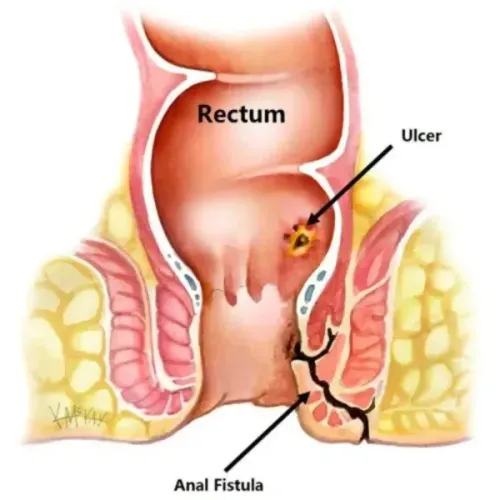
| Rectum or pelvis | Examination when bleeding, pelvic symptoms, severe constipation or another concern exists | Investigates a specific alternative cause |
A normal examination supports the assessment but does not prove IBS by itself. Your symptom pattern, examination and any justified tests must fit together.
How Rome IV and stool patterns shape the assessment
An IBS doctor in Dombivli applies Rome IV to the symptom pattern, not to one blood test. The framework requires recurrent abdominal pain at least one day per week during the previous three months, linked with at least two findings: relation to defecation, a change in stool frequency, or a change in stool form.
Symptoms must have started at least six months before diagnosis.
| Subtype | Predominant pattern | Treatment discussion |
|---|---|---|
| IBS-C | Constipation | Soluble fibre, suitable laxatives and antispasmodics |
| IBS-D | Diarrhoea | Antidiarrhoeal medicines, dietary changes and antispasmodics |
| IBS-M | Alternating constipation and diarrhoea | Adjust treatment to the current dominant pattern |
| Unsubtyped IBS | Does not fit the other three patterns | Individualised options after reassessment |
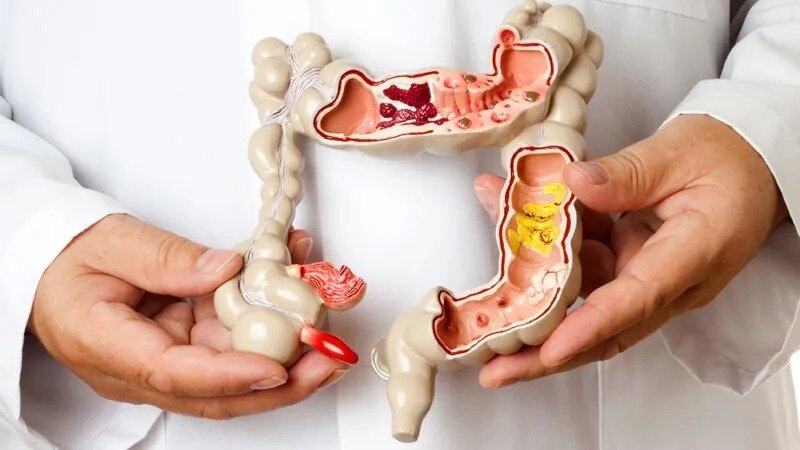
This classification guides irritable bowel treatment in Dombivli, but the doctor must exclude better explanations. The assessment may check for coeliac disease, inflammatory bowel disease, infection, colorectal or other structural bowel disease, lactose or other carbohydrate intolerance, thyroid disease, medication effects, and relevant pelvic or urinary disorders.
Bleeding, weight loss, fever, nocturnal symptoms or progressive pain require separate evaluation rather than being labelled IBS.
Which tests are justified and when symptoms need urgent review
Tests are justified when they check a plausible alternative to IBS, not because every patient needs a scan. An irritable bowel syndrome consultation in Dombivli may use a limited set of tests based on your symptoms, examination and risk.
| Test | What it checks | When it fits |
|---|---|---|
| Complete blood count | Anaemia or infection | Fatigue, bleeding, pallor or unexplained symptoms |
| C-reactive protein and faecal calprotectin | Inflammation and possible inflammatory bowel disease | Diarrhoea, raised concern or suspected IBS-D |
| Thyroid-stimulating hormone | Thyroid-related bowel changes | Constipation, diarrhoea, weight change or other thyroid symptoms |
| Coeliac blood tests | Coeliac disease | Persistent diarrhoea, bloating or malabsorption concerns |
| Stool testing | Infection, blood or other causes | Recent travel, antibiotics, fever, bleeding or persistent diarrhoea |
| Colonoscopy | The bowel lining and structural disease | Warning signs, abnormal examination or progressive symptoms |
Colonoscopy is not usually the first test for a younger person with typical symptoms and no warning signs.
It becomes more relevant with rectal bleeding, black stools, iron-deficiency anaemia, unexplained weight loss, fever, a family history of colorectal cancer or inflammatory bowel disease, or a new bowel change at an age covered by current screening advice. Age thresholds vary by jurisdiction and family history.
An IBS consultation near Dombivli is unsafe as a routine pathway when alarm symptoms are dismissed as IBS. Seek urgent care for heavy bleeding, black stools, persistent vomiting, severe worsening pain, dehydration, fever or rapid unintentional weight loss. A normal examination does not prove IBS; it supports the wider assessment.
What treatment planning can cover after assessment
After assessment, an irritable bowel treatment in Dombivli plan usually starts with regular meals, adequate fluids, and a review of caffeine, alcohol and suspected trigger foods. Identify your personal triggers without removing large food groups unnecessarily; broad restriction can create nutritional gaps without improving symptoms.
- Increase soluble fibre, such as psyllium, gradually. A sudden increase in bran or other insoluble fibre can worsen gas and bloating.
- Use a low-FODMAP diet only as a time-limited trial, followed by structured reintroduction, ideally with a dietitian. Check for unintended weight loss or inadequate nutrition before restricting foods.
- Match medicines to the subtype. A suitable laxative may help IBS-C, while stimulant laxatives are not usually the starting choice. An antidiarrhoeal may reduce stool frequency in IBS-D but will not treat abdominal pain.
- Discuss peppermint oil, antispasmodics, neuromodulators or subtype-specific prescription medicines after reviewing interactions, side effects and other health conditions.
- Consider cognitive behavioural therapy, hypnotherapy or another structured gut-brain treatment for persistent pain or stress-linked symptoms. This approach does not mean the symptoms are imaginary; gut-brain signalling can affect genuine bowel symptoms.
Your plan should state what to try, how long to try it, and when to review progress. Return urgently for heavy bleeding, black stools, persistent vomiting, severe worsening pain, dehydration, fever or rapid unintentional weight loss.
How the consultation ends and where a surgical clinic fits
Leave with a working diagnosis, reasons for proposed tests, a written food or stool diary plan, treatment instructions, a follow-up date and clear safety-net advice. Seek urgent care for heavy bleeding, black stools, persistent vomiting, severe worsening pain, dehydration, fever or rapid unintentional weight loss.
| Path | What it means | When it applies |
|---|---|---|
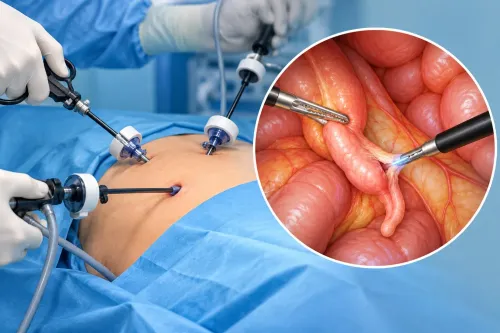
| Routine IBS care | Laparoscopic or colorectal surgery is not routine treatment for IBS. | No structural warning signs are present. |
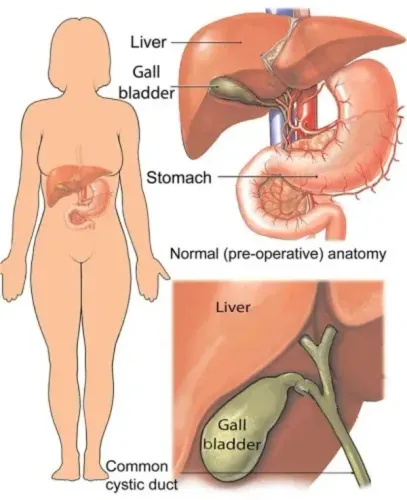
| Surgical review | Assess or treat a different structural condition. | Obstruction, a mass, significant bleeding, persistent vomiting, or appendicitis- or gallbladder-type pain. |
An IBS doctor in Dombivli should review records, examine you, explain why tests are or are not needed, and arrange follow-up. Your irritable bowel treatment in Dombivli plan should state how to use each treatment and when to return.
Dr Sharad Gurav Laparoscopic Surgeon - 9324545771 is one local option when symptoms require assessment for an alternative surgical condition.
Related service
Irritable Bowel Syndrome (IBS) is a common functional gastrointestinal disorder that causes symptoms such as abdominal pain, bloating, constipation, and diarrhea. View service → |
Frequently asked questions
How should you prepare for an IBS consultation in Dombivli?
Bring your medical records, current medicine list and a seven-day diary recording abdominal pain, bloating, stool frequency, stool form and food triggers.
What does a doctor ask during an IBS consultation?
The doctor asks about pain location and timing, bowel habits, stool appearance, diet, medicines, weight change, bleeding, family history and previous illnesses. The examination can include abdominal assessment and a rectal examination when indicated.
How do Rome IV criteria and stool patterns help assess IBS?
Rome IV focuses on recurrent abdominal pain linked to defecation or changes in stool frequency or form, with symptoms starting at least six months before diagnosis and active for the past three months. The Bristol Stool Form Scale helps classify constipation-predominant, diarrhoea-predominant or mixed patterns.
Which tests are justified for suspected IBS?
Testing depends on symptoms and examination findings. A clinician may consider blood tests, coeliac disease testing, stool tests or other investigations when diarrhoea, anaemia, bleeding, infection risk or another diagnosis is suspected. IBS does not automatically require a scan or colonoscopy.
When do IBS symptoms need urgent medical review?
Seek urgent review for rectal bleeding or black stools, persistent vomiting, fever, severe or worsening abdominal pain, fainting, dehydration, a swollen rigid abdomen or unexplained weight loss.
Keywords