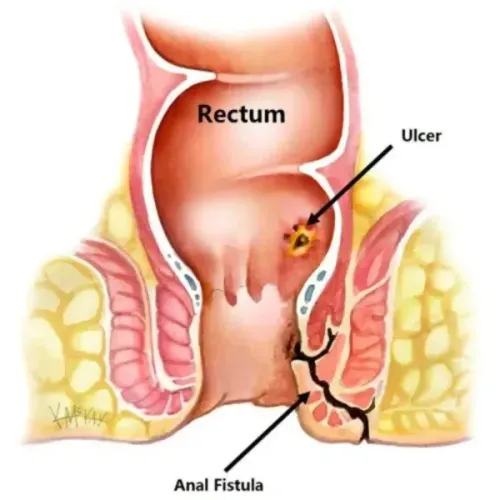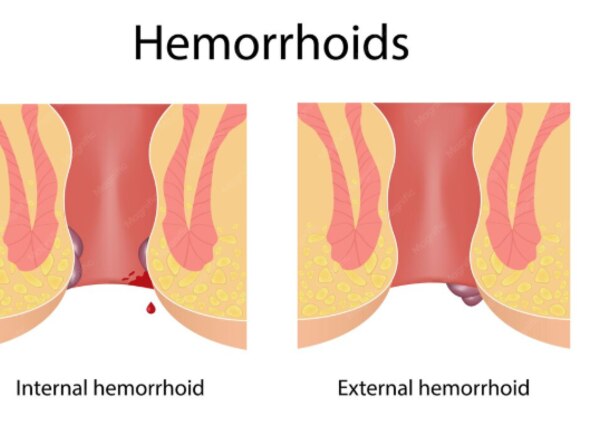
Older adults can receive hemorrhoid treatment, but the safest option depends on more than age. Before choosing a cream, laxative or procedure, you need to confirm the bleeding source, assess medical risks and match treatment intensity to mobility, frailty and recovery capacity.
Key takeaways
- Get persistent or unexplained rectal bleeding assessed before treating it as piles.
- Increase fibre, fluids and safe movement before considering procedures.
- Ask the doctor to match treatment with hemorrhoid grade, medicines and frailty.
- Choose a Dombivli service that confirms the diagnosis and explains follow-up care.
When rectal bleeding in an older adult needs medical assessment
Persistent, recurrent or unexplained rectal bleeding in an older adult needs medical assessment, not repeated self-treatment as piles. A hemorrhoid treatment for older adults in Dombivli, or any piles treatment for elderly patients, should begin only after the bleeding’s source is confirmed.
Seek prompt medical care for:
- Heavy bleeding, black or tarry stools, dizziness or fainting
- Unusual breathlessness or marked fatigue, which can signal anaemia
- Unexplained weight loss or a new change in bowel habits
- Fever with severe anal pain or swelling
- Inability to pass stool or gas
- A mass that stays outside instead of returning inside
Hemorrhoids are common, but colorectal cancer, polyps, inflammatory bowel disease, anal fissure and medication-related bleeding can look similar. Do not assume bright-red blood proves piles. Symptomatic bleeding requires diagnostic assessment even when routine colorectal-cancer screening is individualized by age, including for adults aged 76 to 85.
A clinician may need to examine the anus and rectum, check a blood count, and arrange further testing. Heavy bleeding, fainting, black stools or severe pain with fever requires urgent evaluation rather than routine home care.
How a doctor confirms the diagnosis and grades the hemorrhoids
A diagnosis starts with a symptom history, not an assumption that bleeding is piles. A hemorrhoid doctor in Dombivli will ask about bleeding colour and amount, pain, itching, prolapse, bowel habits, constipation, medicines and previous bowel disease.
1. Inspection shows external hemorrhoids, skin irritation, fissures, swelling or a mass. A digital rectal examination checks the anal canal and rectum for tenderness, blood, narrowing or another lesion.
2. Anoscopy or proctoscopy may follow. These instruments let the clinician see internal hemorrhoids and identify bleeding that a fingertip examination cannot show.
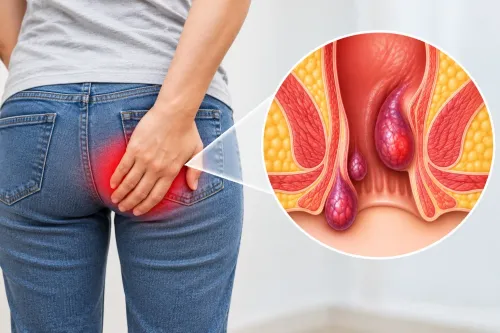
3. Internal hemorrhoids are graded by prolapse: grade I stays inside; grade II comes out with straining but returns alone; grade III needs manual replacement; grade IV remains outside and cannot be pushed back.
4. A complete blood count checks for anaemia when bleeding, fatigue or breathlessness suggests blood loss. Other tests depend on symptoms, such as stool testing, kidney-function tests or inflammatory markers.
Colonoscopy is considered when no clear anorectal source appears, bleeding is atypical, symptoms recur without explanation or colorectal evaluation is overdue. A piles specialist for older adults also reviews heart, lung, kidney and liver disease, diabetes, frailty, mobility, continence and whether you can manage wound care, medicines and follow-up at home.
What first-line care looks like for an older adult
Before a procedure, first-line piles treatment for elderly patients usually targets constipation, straining and irritation.
1. Increase fibre gradually toward roughly 20–30 g daily through vegetables, fruit, legumes and whole grains when suitable. A sudden increase can cause bloating or worsen discomfort.
2. Drink adequate fluids when heart or kidney restrictions permit. Use prescribed stool-softening treatment as directed; inappropriate laxative use can cause dehydration or electrolyte disturbances.
3. Match walking or other physical activity to your ability. Do not strain, sit on the toilet for long periods, or delay the urge to pass stool.
4. Ask a clinician to review opioids, iron tablets, anticholinergic medicines and some calcium-channel blockers because they can worsen constipation. Do not stop prescribed medicines alone. NSAIDs can increase bleeding risk, while opioids commonly slow the bowel.
5. Steroid creams, suppositories and local anaesthetics can ease symptoms briefly, but use them only for the duration advised by a clinician or pharmacist. Prolonged steroid use can thin or irritate skin and delay assessment of another bleeding cause.
Stop self-treatment and seek medical advice if bleeding continues, returns, or increases despite these measures.
Which treatments suit which hemorrhoid pattern and health status
Mild symptoms usually suit bowel-habit changes and prescription medicines before a procedure. Piles treatment for elderly patients must also account for frailty, heart or lung disease, kidney function, mobility, medicines and home support. Choosing hemorrhoid treatment for older adults in Dombivli should not mean choosing the least invasive option automatically: durability and recurrence matter.
| Option | Setting and anaesthesia | Pain, bleeding, recurrence and recovery |
|---|---|---|
| Observation and medicines | Home care; no anaesthesia | Least immediate risk; improvement depends on softer stools and no straining. Persistent bleeding needs reassessment. |
| Rubber-band ligation | Office; usually no anaesthesia or local anaesthetic | Brief discomfort, bleeding or vasovagal symptoms; delayed bleeding matters with anticoagulants. Quick recovery, but recurrence can require repeat treatment. Mainly internal grade I, II and selected III. |
| Sclerotherapy or infrared coagulation | Office; usually no or local anaesthesia | Suits selected internal bleeding. Usually mild pain and short recovery, but repeated treatment and recurrence are possible. |
| Doppler-guided artery ligation | Operating room or procedure suite; regional or general anaesthesia | Often less pain than excision, yet recurrence rises with unsuitable prolapse patterns. Follow-up and activity limits still apply. |
| Stapled hemorrhoidopexy | Operating room; regional or general anaesthesia | Treats internal prolapse without a large external component. Recovery is often easier than excision, but recurrent prolapse can be greater. |
| Conventional hemorrhoidectomy | Operating room; regional or general anaesthesia | Best for large external components, combined disease or advanced prolapse. More pain, bleeding, urinary retention and longer recovery; narrowing or continence problems are uncommon but important. |
| Laser-based procedures | Usually a procedure suite; local, regional or general anaesthesia varies | Choose only after discussing indication, evidence, recurrence and follow-up; less invasive does not guarantee durability. |
How medicines and frailty change the safety plan
Chronological age alone does not rule out hemorrhoid treatment. Before a procedure, a piles specialist for older adults should assess frailty, falls risk, mobility, heart or lung disease, kidney function, diabetes, nutrition, continence and available home support.
1. Review every medicine. Do not stop warfarin, apixaban, another direct oral anticoagulant, aspirin or clopidogrel independently. The proceduralist and prescribing clinician must balance clotting risk against bleeding risk and create an individualized plan.
2. Match the procedure to recovery capacity. Excisional surgery can treat large external components or advanced combined disease, but postoperative pain, urinary retention, bleeding, anal narrowing and continence-related problems require discussion. Less-invasive procedures can reduce pain yet have different recurrence risks and may not suit significant prolapse.
3. Plan the days after treatment. Limited mobility, dizziness or poor balance can make toileting and pain control hazardous. Confirm who will help at home, how constipation prevention will be managed, and where to seek urgent care.
Follow-up matters because bleeding, urinary difficulty, worsening pain or continence changes need prompt review. The safest choice is the one that fits the confirmed diagnosis, medical risks and support available.
How to choose a hemorrhoid service in Dombivli
Choose a nearby clinic only if it can examine you properly and escalate care. For a search for “hemorrhoid treatment near me,” proximity is not enough for an older adult with frailty, persistent bleeding, or several medicines.
- perform a rectal examination and anoscopy, and arrange blood testing, including a blood count, or colonoscopy when bleeding is atypical, unexplained, recurrent, or evaluation is due;
- review warfarin, apixaban and other anticoagulants, aspirin and clopidogrel; never stop these medicines without instructions from the prescriber and proceduralist;
- assess local, regional or general anaesthesia needs, recovery help at home, and provide urgent hospital referral;
- explain alternatives, recurrence, follow-up and red flags instead of offering one procedure to everyone.
| Setting | Appropriate use | Confirm |
|---|---|---|
| Nearby clinic | Examination, diagnosis and planned care | Tests, medication plan and escalation route |
| Hospital | Heavy bleeding, severe illness or complex anaesthesia | Urgent assessment and postoperative support |
A piles specialist for older adults should match treatment to prolapse, health and mobility. Dr Sharad Gurav Laparoscopic Surgeon - 9324545771 is a local colorectal and gastrointestinal surgical option for that discussion, but you still need an examination and individualized plan.
Treatment can be suitable when the diagnosis is confirmed and medical risks are assessed; urgent symptoms require prompt evaluation rather than routine piles care.
Related services
Hemorrhoids or Piles Hemorrhoids, also known as piles, are swollen and inflamed veins in the rectum and anus that can cause pain, itching, bleeding, and discomfort during... View service → |
Piles Surgery Piles surgery is an effective solution for patients suffering from severe or recurring hemorrhoids that cause pain, bleeding, and discomfort. Dr. View service → |
Frequently asked questions
When does rectal bleeding in an older adult need medical assessment?
Arrange medical assessment for persistent, recurrent or unexplained bleeding, especially with pain, weight loss, altered bowel habits, dizziness or black stools. Do not repeatedly self-treat presumed piles without confirming the source.
How does a doctor confirm and grade hemorrhoids?
The doctor reviews symptoms and medicines, examines the anus and rectum, and may use anoscopy. Internal hemorrhoids are graded by whether they stay inside, prolapse with straining, or need manual replacement.
What is first-line care for piles in an older adult?
First-line care usually includes gradual dietary fibre, adequate fluids when medically permitted, avoiding straining, limiting toilet time and treating constipation safely. A clinician should tailor the plan to heart, kidney and mobility conditions.
Which hemorrhoid treatments suit different patterns and health conditions?
Mild symptoms often respond to bowel-habit changes. Persistent internal hemorrhoids may need office procedures such as rubber band ligation, while large prolapsing or external disease requires specialist assessment before surgery is considered.
How do medicines and frailty affect hemorrhoid treatment safety?
Tell the doctor about warfarin, apixaban, rivaroxaban, aspirin, clopidogrel, steroids, diabetes medicines and laxatives. Frailty, falls, kidney disease and heart disease affect preparation, bleeding risk, anaesthesia and follow-up.
Keywords