Rectal bleeding, an anal lump, or pain does not prove that you have hemorrhoids, so choosing the right first clinician depends on the severity, pattern, and accompanying symptoms. Use the warning signs, examination steps, referral points, and preparation checklist below to decide whether you need a general physician, general surgeon, colorectal surgeon, or gastroenterologist.
Key takeaways
- Seek emergency help for heavy bleeding, faintness, black stools, or major blood loss.
- See a doctor when bleeding could have causes other than piles.
- Bring your symptom timeline, medicines, bowel history, and previous reports.
- Examination findings determine whether you need medicines, a procedure, or specialist referral.
Is this a routine piles appointment or an urgent problem?
Heavy or continuous rectal bleeding is not a routine piles problem. Seek emergency help for faintness, dizziness, major blood loss, or black stools; black or maroon stool can indicate bleeding higher in the digestive tract.
Seek prompt medical assessment rather than waiting for a standard hemorrhoid consultation in Dombivli if you have:
- Severe anal or abdominal pain
- Fever, vomiting, or pus
- Rapidly increasing swelling
- Inability to pass stool, gas, or urine
- Bleeding that is heavy or does not stop
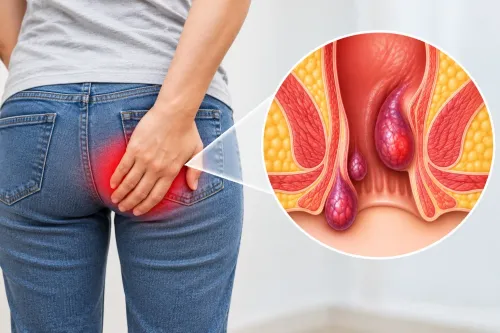
A painful bluish lump that appears suddenly at the anal margin may be a thrombosed external hemorrhoid. Severe pain with fever or pus raises concern for infection, not an uncomplicated hemorrhoid.
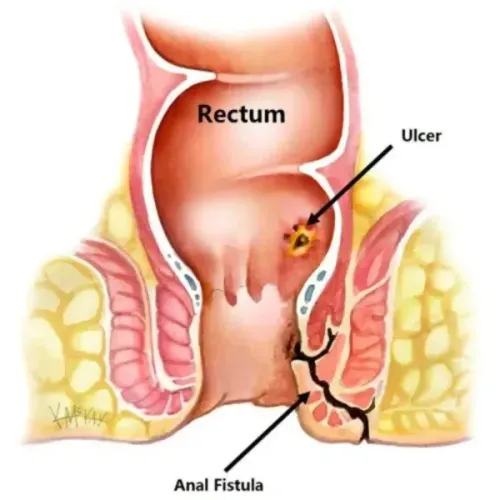
Book a routine consultation when bleeding recurs, symptoms continue beyond about one week of home measures, or the problem keeps returning. Rectal bleeding can also come from an anal fissure, fistula, inflammatory bowel disease, polyps, or other bowel conditions, so do not assume every episode is piles.
Creams and suppositories can reduce itching, pain, or swelling for a short time. Prolonged self-treatment can irritate the skin or delay diagnosis, especially when symptoms do not clearly improve.
Who should you see first when bleeding may not be piles?
A general physician is a reasonable first contact for mild, new bleeding, especially when you are unsure whether it is piles. They can examine you, arrange a blood count to check for anaemia, and refer you when the findings need specialist care.
The choice between a general consultation or specialist for piles in Dombivli depends on the pattern and complexity:
| Option | Best first choice | When it applies |
|---|---|---|
| General physician | Initial assessment and coordination | Mild, new symptoms; blood tests or referral may be needed |
| General surgeon | Anorectal examination and common hemorrhoid care | Initial lump, bleeding, itching, or suspected uncomplicated piles |
| Colorectal or gastrointestinal surgeon | Specialist anorectal assessment | Recurrent symptoms, uncertain diagnosis, substantial prolapse, or failed office treatment |
| Gastroenterologist | Investigation of the bowel | Bleeding with persistent diarrhoea, abdominal pain, unexplained weight loss, inflammatory bowel disease concerns, or possible colon investigation |
A general surgeon consultation in Dombivli suits many first assessments. Choose a colorectal or gastrointestinal surgeon when the problem is recurrent or difficult to classify. Gastroenterology becomes important when symptoms point beyond the anal canal.
A piles doctor in Dombivli may be described as a general, colorectal, or gastrointestinal surgeon. Verify training, experience with anorectal examinations, and experience performing hemorrhoid procedures instead of relying on the label. Check registration through the National Medical Commission’s Indian Medical Register or the Maharashtra Medical Council.
What happens during the first consultation?
Expect a symptom history and a focused examination, not an automatic piles diagnosis. During a hemorrhoid consultation in Dombivli, tell the clinician when bleeding started, its colour and frequency, and whether it coats the stool, appears on paper, or drips into the bowl.
The clinician will ask about:
- Stool frequency, hard stools, straining, and time spent on the toilet
- Pain timing, including pain during or after bowel movements
- Itching, discharge, a lump, or tissue that prolapses and returns by itself or needs pushing back
- Whether bleeding, pain, or swelling improves after passing stool
The clinician inspects your abdomen, anal margin, and surrounding skin. When appropriate, a digital rectal examination checks the anal canal and rectum; anoscopy or proctoscopy often provides a direct view of the anal canal.
A piles doctor in Dombivli should assess for anal fissure, fistula, perianal abscess, colorectal polyps or cancer, inflammatory bowel disease, and other bowel conditions instead of attributing every bleed to hemorrhoids.
Blood tests can check for anaemia, while stool tests can investigate infection or inflammation. Colonoscopy or imaging may follow when bleeding is unexplained, persistent, atypical, or accompanied by altered bowel habits, weight loss, or a screening need. Colonoscopy is not automatic for every suspected hemorrhoid case.
How should you prepare for a general or specialist visit?
Keep a symptom record for several days before a general consultation or specialist for piles in Dombivli. Note:
- When symptoms began; the colour, amount, and frequency of blood; stool frequency; straining; time spent on the toilet; pain timing; itching; discharge; and any lump.
- Whether a prolapse returns by itself or needs to be pushed back.
- Every medicine you take, especially warfarin, apixaban, rivaroxaban, aspirin, clopidogrel, iron tablets, opioids, and other constipation-causing medicines.
Do not stop anticoagulant or antiplatelet medicine without instructions from the clinician who prescribed it. Stopping suddenly can create a serious clotting risk.
Tell the clinician about pregnancy or possible pregnancy, previous anorectal procedures, bowel disease, colonoscopy results, allergies, and bring relevant medical records. A general surgeon consultation in Dombivli can then begin with an accurate history rather than a guess that every bleed is piles.
Several days of notes give the clinician a better basis for choosing examination alone, blood or stool tests, colonoscopy, imaging, or referral. Bring questions about preparation, medication changes, and warning symptoms after any procedure.
How do examination findings determine treatment and specialist referral?
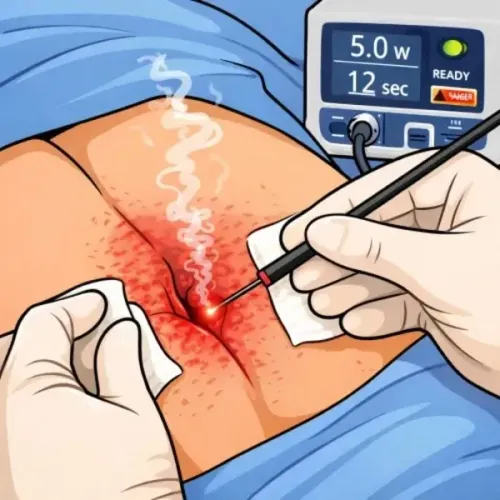
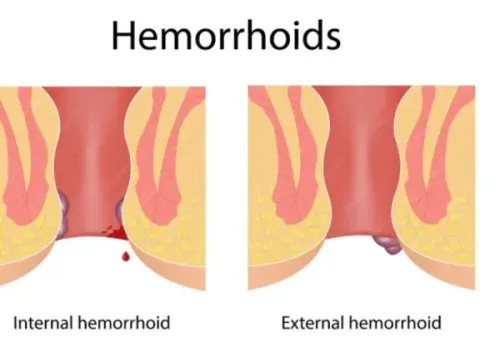
Choosing a general consultation or specialist for piles in Dombivli starts with examination, not the word “laser.” The clinician confirms whether the lump is internal, external, or combined disease, then grades internal prolapse:
- Grade I bleeds without prolapse.
- Grade II prolapses during straining but returns alone.
- Grade III needs manual reduction.
- Grade IV stays outside and cannot be reduced.
An external lump can be an external hemorrhoid or combined internal-and-external disease, so treatment cannot be selected from symptoms or advertising alone.
For uncomplicated symptoms, try roughly 20–35 g of fibre daily, adequate fluids, no straining, and shorter toilet sitting before an invasive procedure. Rubber-band ligation suits many symptomatic grade I–II cases and selected grade III cases. Severe pain, bleeding, or difficulty passing urine after banding needs prompt review.
Excisional hemorrhoidectomy is more relevant to large external, combined, or advanced prolapse. It usually causes more initial pain but offers durable treatment when appropriately selected. Stapled hemorrhoidopexy is not automatically the best modern operation; recurrence and long-term effectiveness must be compared.
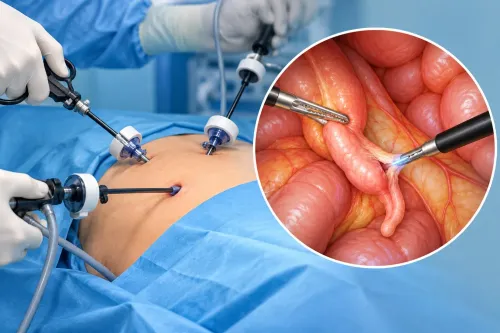
A laparoscopic colorectal or gastrointestinal surgeon does not mean you need laparoscopic surgery: ordinary piles are usually treated through the anal canal. Dr Sharad Gurav Laparoscopic Surgeon - 9324545771 may be considered for a surgeon-led anorectal assessment.
Ask any piles doctor in Dombivli why the diagnosis, grade, alternatives, and referral fit your case, including during a hemorrhoid consultation in Dombivli.
Related services
Hemorrhoids or Piles Hemorrhoids, also known as piles, are swollen and inflamed veins in the rectum and anus that can cause pain, itching, bleeding, and discomfort during... View service → |
Piles Surgery Piles surgery is an effective solution for patients suffering from severe or recurring hemorrhoids that cause pain, bleeding, and discomfort. Dr. View service → |
Frequently asked questions
Is rectal bleeding always suitable for a routine piles appointment?
No. Seek emergency help for heavy or continuous bleeding, faintness, dizziness, major blood loss, or black or maroon stools. These signs can indicate bleeding higher in the digestive tract.
Who should I see first when bleeding may not be piles?
Start with a general surgeon consultation in Dombivli or another qualified doctor who can assess the bleeding and arrange specialist referral when the symptoms or examination require it.
What happens during a first piles consultation?
The doctor reviews your bleeding, pain, bowel movements, medicines, and medical history, then examines the abdomen and anal area. A rectal examination or further testing may be recommended.
How should I prepare for a piles consultation?
Write down when symptoms began, the blood colour and amount, pain, constipation, diarrhoea, weight loss, and medicines. Bring previous reports and tell the doctor about family history of bowel disease.
How do examination findings affect piles treatment?
Findings help distinguish haemorrhoids from fissures, fistulas, infections, polyps, or bowel disease. They guide treatment with diet and medicines, an office procedure, surgery, or referral to a colorectal or gastrointestinal specialist.
Keywords