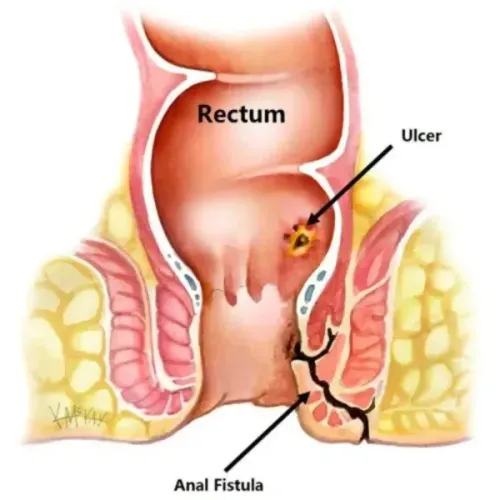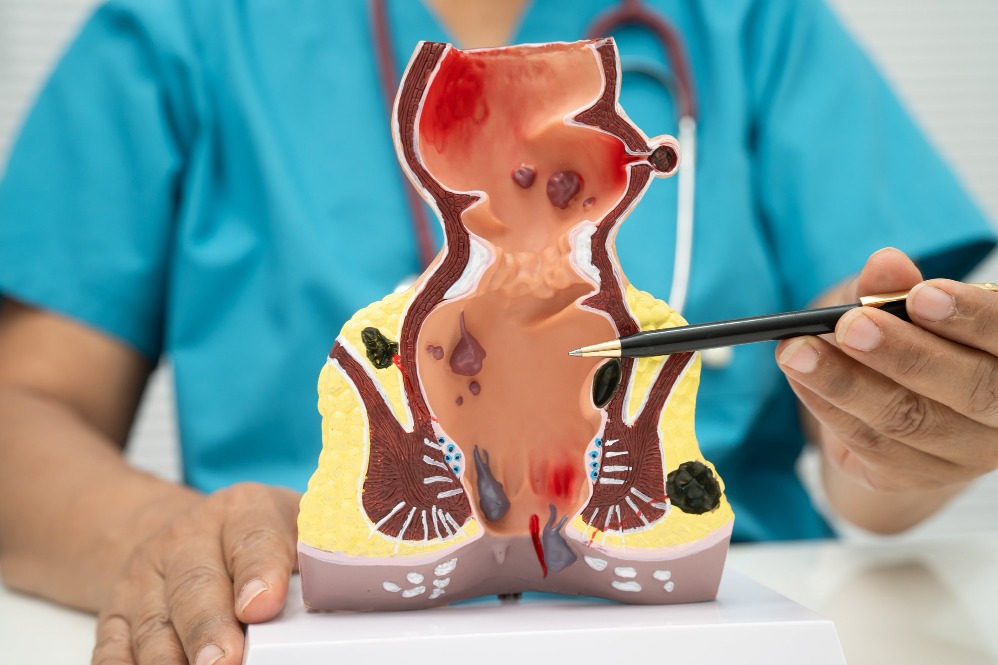
A perianal abscess is a collection of pus near the anus. It usually causes constant, throbbing pain that becomes worse while sitting, walking, coughing, or passing stools. Swelling, redness, fever, chills, and general weakness may also occur.
Unlike mild piles or an uncomplicated fissure, an abscess often requires prompt drainage. Delaying assessment can allow infection to spread or damage surrounding tissue.
Confirm that urgent care is available
Patients seeking Perianal Abscess Surgery in Dombivli should first determine whether the surgeon or hospital can provide timely examination and drainage when necessary. A severe abscess is not suited to prolonged online discussion or repeated pain medication without physical assessment.
Emergency evaluation is especially important when the patient has diabetes, reduced immunity, fever, rapidly increasing pain, spreading redness, difficulty urinating, or signs of serious illness.
Ask how the diagnosis will be established
Many superficial abscesses can be diagnosed through history and examination. Deep abscesses may be more difficult to identify and can require imaging or examination under anaesthesia.
The provider should consider other possibilities, including an infected pilonidal sinus, hidradenitis, a fistula, inflammatory bowel disease, or another skin infection. Recurrent abscesses deserve further evaluation rather than repeated drainage without investigating the cause.
Understand what drainage involves
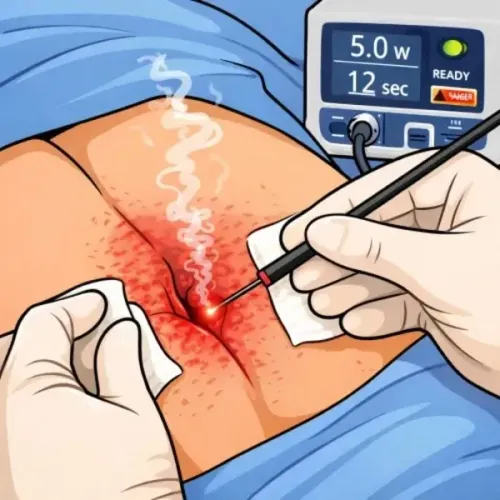
Abscess treatment generally focuses on opening the infected cavity and allowing pus to drain. The type of anaesthesia, incision, packing, and hospital stay depends on the size and location of the abscess and the patient’s health.
Antibiotics may be used when clinically indicated, but they do not always replace drainage. Patients should ask whether wound packing or daily dressing is expected and who will provide aftercare.
Important questions include:
- Is the abscess superficial or deep?
- Is urgent drainage recommended?
- Will the procedure require anaesthesia?
- Could a fistula be present?
- What wound care will be needed?
- When should follow-up occur?
- Which symptoms require immediate return?
- Is further imaging likely if the problem recurs?
Plan for fistula follow-up
A proportion of anal abscesses are associated with or later followed by a fistula. Persistent discharge, repeated swelling, or an opening that does not heal should be reviewed.
The priority during an acute infection is safe drainage. Definitive fistula treatment may be planned later when the inflammation has settled and the tract can be assessed more accurately.
Dr Sharad Gurav Laparoscopic Surgeon evaluates anorectal infections and related surgical conditions in Dombivli, Maharashtra. Appropriate care should include an explanation of the immediate drainage plan as well as follow-up for possible fistula formation.
Patients should avoid squeezing or puncturing a suspected abscess at home. Even if the swelling bursts and pain decreases, an examination may still be needed because infection or an underlying tract can remain.
Provider selection is important, but timing is equally important. For escalating pain, fever, or systemic illness, the nearest suitable emergency surgical facility may be safer than waiting for a routine appointment with a preferred clinician.
Keywords